Medical Office Cleaning: What Actually Matters (And What Doesn't)
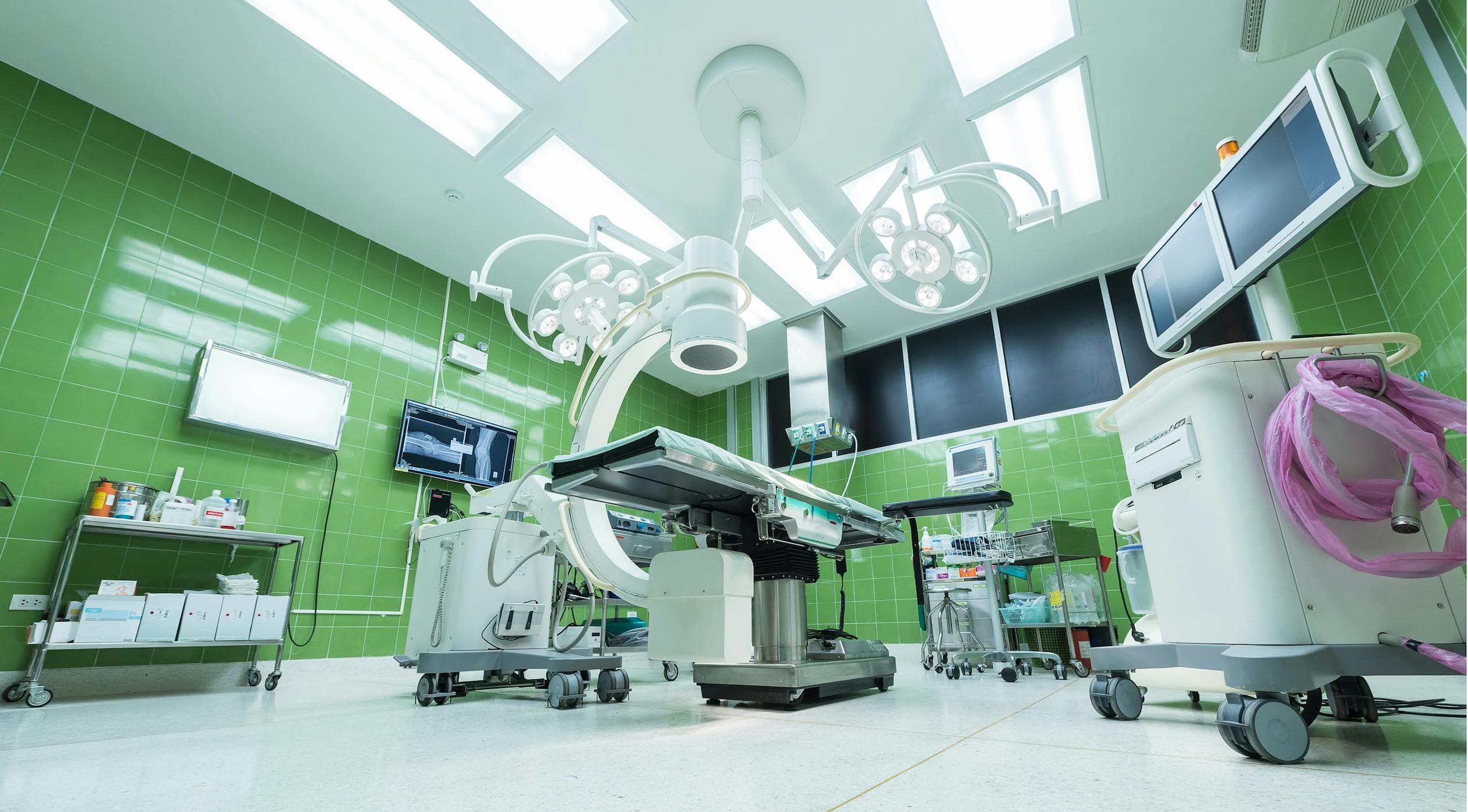
Medical office managers face a constant stream of cleaning product claims and "hospital-grade" promises. But what actually matters for patient safety and compliance? After years of cleaning medical facilities across Austin, we've seen what makes a difference—and what's just marketing.
What Truly Matters in Medical Cleaning
1. High-Touch Surface Protocols
The CDC is clear: high-touch surfaces need attention. In a medical setting, this means:
- Door handles and push plates
- Light switches
- Chair arms in waiting areas
- Check-in counters and clipboards
- Restroom fixtures
- Elevator buttons
What matters: Frequency and proper dwell time for disinfectants. Most EPA-registered disinfectants need 1-10 minutes of wet contact time to work. Spraying and immediately wiping is ineffective.
2. Exam Room Turnovers
Between patients, exam rooms need proper attention—but the focus should be on:
- Exam table and stirrups (if applicable)
- Any equipment the patient touched
- Door handles and light switches
- Seating surfaces
What matters: Clinical staff typically handle between-patient cleaning. Professional cleaning services handle the deeper daily/nightly clean.
3. Waiting Area Maintenance
The waiting area sees the most traffic and the most variation in patient health status. Focus on:
- Seating surfaces (fabric requires different care than vinyl)
- Shared items like magazines, toys (honestly, consider removing these)
- Check-in surfaces
- Restrooms accessible to patients
4. Proper Disinfectant Selection
Not all disinfectants are appropriate for medical settings. What to look for:
- EPA registration – Required for any product claiming to kill pathogens
- Healthcare facility approval – Products registered for use in healthcare settings
- Appropriate kill claims – Bacteria, viruses, and fungi relevant to your practice
- Surface compatibility – Some disinfectants damage certain materials
What Matters Less Than You Think
"Hospital-Grade" Marketing Claims
There's no regulated definition of "hospital-grade." What matters is EPA registration and appropriate kill claims for your specific setting. A dental office has different needs than an oncology clinic.
Visible Cleaning During Business Hours
Some managers think patients want to see cleaning happening. Research suggests otherwise—patients find it disruptive and may worry about what prompted it. Effective cleaning happens during off-hours.
Fogging and UV Treatments
These technologies have specific use cases but aren't replacements for physical cleaning. The CDC notes that manual cleaning remains the gold standard. Fogging can't remove soil, and UV requires direct line-of-sight to work.
Antimicrobial Surface Coatings
Products claiming "24/7 protection" are largely marketing. The EPA has cracked down on many such claims. Regular cleaning with proper disinfectants outperforms passive coatings.
HIPAA Considerations Your Cleaning Service Should Know
Cleaning staff in medical facilities have potential access to protected health information. A professional medical cleaning service should:
- ✓ Train staff on HIPAA basics – Not reading patient information, not discussing what they see
- ✓ Understand access protocols – Locked areas, computer screens, document handling
- ✓ Sign appropriate agreements – Business Associate Agreements if required by your compliance officer
- ✓ Maintain confidentiality – No social media posts, no discussing facilities or patients
At Facility Care Services, our medical facility crews receive HIPAA awareness training. We understand that cleaning a medical office isn't the same as cleaning a general office.
Questions to Ask Your Medical Cleaning Service
-
What disinfectants do you use, and can you provide Safety Data Sheets?
A professional service should have this documentation readily available.
-
How do you ensure proper dwell time for disinfectants?
If they don't understand the question, that's a red flag.
-
What training does your staff receive for medical facilities?
Look for specifics, not vague "fully trained" claims.
-
How do you document completed work?
Checklists and verification matter for compliance.
-
What's your protocol if a crew member is sick?
In medical settings, this matters more than in general commercial cleaning.
Our Medical Facility Cleaning Approach
Facility Care Services provides cleaning for medical offices, dental practices, urgent care facilities, and specialty clinics across Austin. Our approach focuses on what the evidence shows actually matters:
- ✓ EPA-registered healthcare disinfectants
- ✓ Proper dwell time protocols
- ✓ High-touch surface focus
- ✓ HIPAA awareness training
- ✓ Documented cleaning logs
- ✓ Facility-specific protocols
Compliance-Ready Medical Facility Cleaning
Let's discuss your facility's specific requirements.
Related Resources
Our specialized cleaning programs for healthcare facilities.
Compliance-Ready CleaningStay audit-ready with ongoing compliance-level cleaning and documentation.
How We Ensure QualityOur inspection and verification process explained.
Service LevelsCompare our service tiers including Compliance Ready.
Related Articles
How Proper Classroom Sanitization Reduces Student Absences: An Evidence-Based Guide for Austin Schools
Learn how targeted classroom disinfection protocols reduce illness-related absences by up to 50%. Covers high-touch surfaces, EPA-approved products safe for children, and daily sanitization routines.
Medical Clinic Disinfection Documentation Templates for Austin Healthcare Facilities
Ready-to-use documentation templates for medical cleaning compliance — daily cleaning logs, surface disinfection records, chemical dilution verification, and incident cleanup forms designed for Austin-area clinics and healthcare facilities.

School Cleaning Services in Austin, TX: How to Keep Your Campus Healthy Without Managing Another Vendor
Reliable school and daycare cleaning services in Austin, TX. Inspected results, eco-safe products, and flexible scheduling built for educational facilities. Free walkthrough.