Medical Clinic Disinfection Documentation Templates for Austin Healthcare Facilities
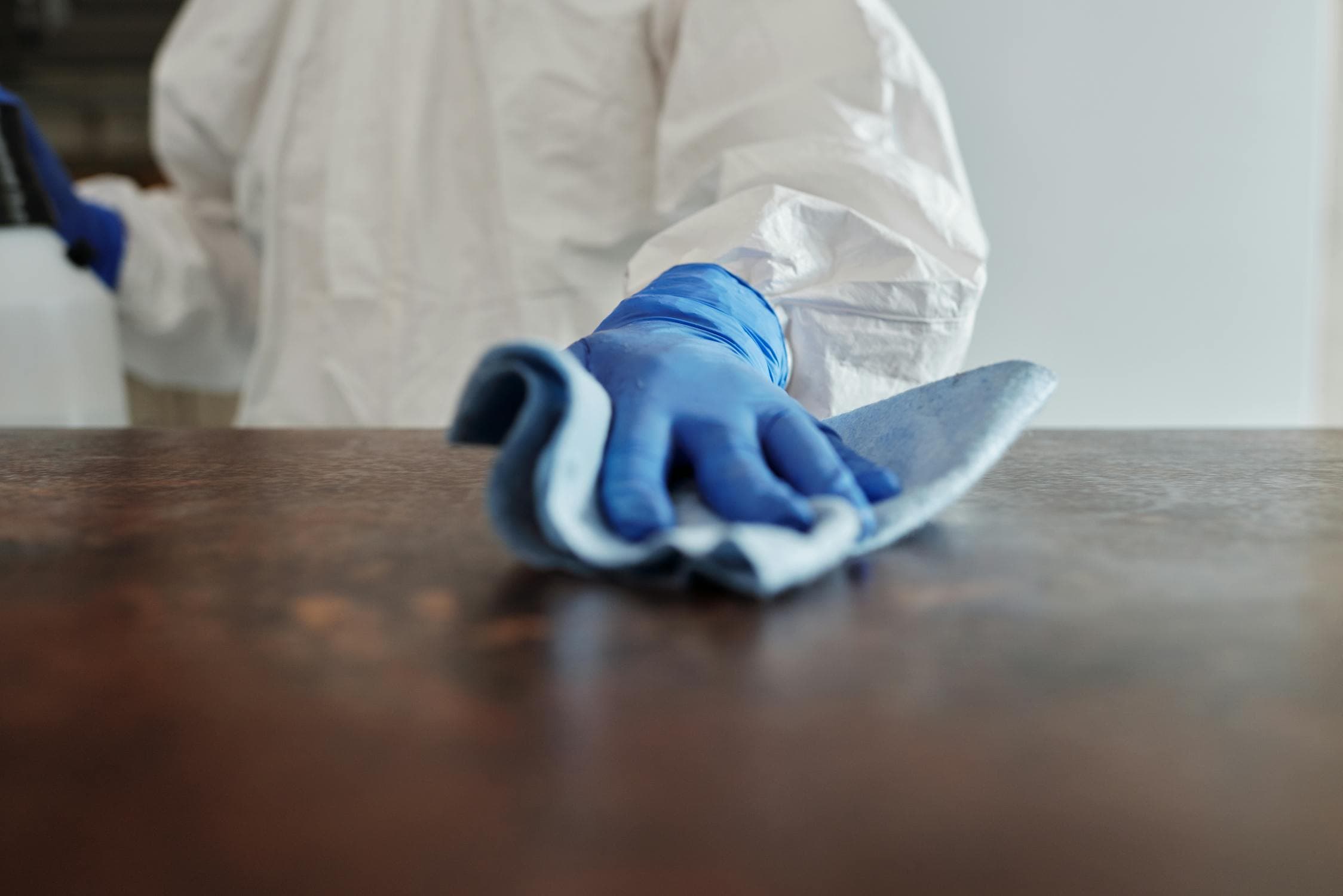
In a medical facility, cleaning that isn't documented might as well not have happened. Regulators don't accept "we cleaned it" as evidence. Insurance adjusters don't accept it. And when a patient contracts an infection that could have been prevented by proper disinfection, no one accepts it.
Documentation is the difference between a defensible cleaning program and a liability. It proves not just that cleaning occurred, but that it occurred correctly — with the right products, at the right dilution ratios, with the required contact times, performed by a trained technician who signed their name to it.
This guide provides ready-to-use documentation templates for Austin-area medical clinics, urgent care centers, dental offices, and outpatient facilities. Each template is designed to satisfy OSHA, EPA, and Texas Department of State Health Services (DSHS) requirements while being practical enough that your team will actually use them.
Why This Matters
hospital patients has at least one healthcare-associated infection on any given day (CDC)
annual cost of healthcare-associated infections in the U.S.
of common infections are transmitted by touch on contaminated surfaces
Why Documentation Matters in Medical Facility Cleaning
Medical cleaning documentation serves three distinct functions, each critical in its own right. Understanding these functions helps you design a documentation system that actually protects your facility rather than just creating paperwork.
1. Regulatory Compliance
Multiple federal and state agencies require documented evidence of cleaning and disinfection protocols in medical settings:
- • OSHA Bloodborne Pathogen Standard (29 CFR 1910.1030) — Requires a written exposure control plan that includes cleaning schedules and decontamination procedures. Logs must document when contaminated surfaces were cleaned and what products were used.
- • EPA Registered Disinfectants — Products used in medical settings must be EPA-registered for the specific pathogens of concern. Documentation must show the EPA registration number and confirm that manufacturer-specified contact times were observed.
- • Texas DSHS Facility Licensing — Texas Department of State Health Services requires evidence of infection control practices as part of facility licensing and renewal. Cleaning logs are a standard component of inspection reviews.
- • CMS Conditions of Participation — For facilities accepting Medicare/Medicaid, the Centers for Medicare & Medicaid Services require documented infection prevention and control programs, including environmental cleaning protocols.
2. Liability Protection
When an infection claim arises — and in a medical facility, it eventually will — your documentation is your primary defense. Cleaning logs with timestamps, technician signatures, and product identifiers demonstrate that your facility followed established protocols. Without these records, you are essentially asking a jury to trust your memory.
Texas courts have consistently held that the absence of cleaning documentation in medical settings creates a presumption of inadequate cleaning. The burden shifts to the facility to prove otherwise — an expensive and often losing proposition.
3. Staff Accountability and Training
Documentation creates a feedback loop. When technicians sign their name to a cleaning record, they take ownership of the work. When supervisors review logs, they can identify patterns — areas being skipped, dwell times not being observed, or products being used incorrectly. This data becomes the foundation for targeted training rather than generic refresher courses that waste everyone's time.
Template 1: Daily Cleaning Log
This is the foundational document for any medical cleaning program. It records what was cleaned, when, by whom, and with what products. Post a copy in each area or maintain a central log at the facility's cleaning station.
DAILY CLEANING LOG
Medical Facility Environmental Services
| Area / Room | Time Completed | Products Used (EPA Reg #) | Dwell Time Confirmed | Technician Initials |
|---|---|---|---|---|
| Waiting Room | ____:____ | ________________________ | ▢ Yes ▢ No | ________ |
| Exam Room 1 | ____:____ | ________________________ | ▢ Yes ▢ No | ________ |
| Exam Room 2 | ____:____ | ________________________ | ▢ Yes ▢ No | ________ |
| Lab / Procedure Area | ____:____ | ________________________ | ▢ Yes ▢ No | ________ |
| Restrooms | ____:____ | ________________________ | ▢ Yes ▢ No | ________ |
| Break Room / Staff Area | ____:____ | ________________________ | ▢ Yes ▢ No | ________ |
| Hallways / Common Areas | ____:____ | ________________________ | ▢ Yes ▢ No | ________ |
Usage Note: Complete this log at the end of each cleaning session. "Dwell Time Confirmed" means the disinfectant remained wet on the surface for the full manufacturer-specified contact time before being wiped. If dwell time was not achieved, note the reason in the exceptions field and re-clean the surface.
Template 2: High-Touch Surface Disinfection Record
High-touch surfaces in medical facilities require more frequent disinfection than general areas — often multiple times per day. This template tracks each disinfection event separately, providing a granular record that regulators and risk managers can verify against your facility's infection control plan.
HIGH-TOUCH SURFACE DISINFECTION RECORD
Frequency: Minimum 3x daily or between each patient encounter
Required Contact Time: _______ minutes
| Surface | Round 1 Time / Initials |
Round 2 Time / Initials |
Round 3 Time / Initials |
Additional Time / Initials |
|---|---|---|---|---|
| Door handles (interior & exterior) | ____ / ____ | ____ / ____ | ____ / ____ | ____ / ____ |
| Light switches | ____ / ____ | ____ / ____ | ____ / ____ | ____ / ____ |
| Exam table / chair rails | ____ / ____ | ____ / ____ | ____ / ____ | ____ / ____ |
| Counter / desk surfaces | ____ / ____ | ____ / ____ | ____ / ____ | ____ / ____ |
| Faucet handles / soap dispensers | ____ / ____ | ____ / ____ | ____ / ____ | ____ / ____ |
| Toilet flush handles / grab bars | ____ / ____ | ____ / ____ | ____ / ____ | ____ / ____ |
| Shared equipment (BP cuffs, stethoscopes, etc.) | ____ / ____ | ____ / ____ | ____ / ____ | ____ / ____ |
| Check-in kiosk / clipboard / pens | ____ / ____ | ____ / ____ | ____ / ____ | ____ / ____ |
| Waiting room chairs (arms & backs) | ____ / ____ | ____ / ____ | ____ / ____ | ____ / ____ |
Instructions: Record the time each surface was disinfected and the technician's initials. If a surface was not disinfected in a given round, draw a line through the cell and note the reason below. Between-patient disinfection of exam room surfaces should be logged in the "Additional" column.
Template 3: Chemical Dilution Verification Log
Using the wrong dilution ratio is one of the most common — and most dangerous — mistakes in medical facility cleaning. Too dilute, and the product will not kill pathogens. Too concentrated, and you risk surface damage, harmful fumes, and regulatory violations. This log ensures every batch is mixed correctly and verified before use.
CHEMICAL DILUTION VERIFICATION LOG
Complete for each new batch of diluted disinfectant or cleaning solution
| Date | Product Name | EPA Reg # | Required Ratio | Actual Measurement | Test Strip Result | Pass / Fail | Initials |
|---|---|---|---|---|---|---|---|
| ________ | ________________ | __________ | __________ | __________ | __________ | ▢ P ▢ F | ______ |
| ________ | ________________ | __________ | __________ | __________ | __________ | ▢ P ▢ F | ______ |
| ________ | ________________ | __________ | __________ | __________ | __________ | ▢ P ▢ F | ______ |
| ________ | ________________ | __________ | __________ | __________ | __________ | ▢ P ▢ F | ______ |
| ________ | ________________ | __________ | __________ | __________ | __________ | ▢ P ▢ F | ______ |
CORRECTIVE ACTION: If any dilution fails verification, dispose of the batch immediately. Do NOT use a failed dilution. Re-mix a new batch, re-test, and document both the failure and the corrective action. Supervisor must be notified of any failure within the same shift.
Template 4: Monthly Deep Clean Verification
Daily cleaning handles routine surfaces. But medical facilities accumulate contamination in places that daily protocols don't reach — behind equipment, inside light fixtures, on ceiling vents, along baseboards. This monthly checklist ensures these areas are addressed on a documented schedule.
MONTHLY DEEP CLEAN VERIFICATION
Complete all items. Check and initial when done. Note any items deferred to next cycle.
| Task | Completed | Date | Initials | Notes |
|---|---|---|---|---|
| Floors & Baseboards | ||||
| Strip and refinish hard floors (if applicable) | ▢ | ________ | ______ | ______________ |
| Scrub baseboards — all rooms | ▢ | ________ | ______ | ______________ |
| Deep clean grout lines | ▢ | ________ | ______ | ______________ |
| Walls, Ceilings & Fixtures | ||||
| Clean light fixtures and lens covers | ▢ | ________ | ______ | ______________ |
| Clean HVAC vents and return grilles | ▢ | ________ | ______ | ______________ |
| Spot-clean walls (scuffs, splashes, stains) | ▢ | ________ | ______ | ______________ |
| Clean ceiling tiles (replace stained tiles) | ▢ | ________ | ______ | ______________ |
| Behind & Under Equipment | ||||
| Clean behind and under movable equipment | ▢ | ________ | ______ | ______________ |
| Disinfect equipment casters and wheels | ▢ | ________ | ______ | ______________ |
| Clean refrigerator interiors (break room / specimen) | ▢ | ________ | ______ | ______________ |
| Restrooms (Deep) | ||||
| Descale fixtures and showerheads | ▢ | ________ | ______ | ______________ |
| Clean behind toilets and under sinks | ▢ | ________ | ______ | ______________ |
| Replace toilet seat bumpers if worn | ▢ | ________ | ______ | ______________ |
Template 5: Incident / Spill Cleanup Documentation
Biohazard spills, chemical spills, and bodily fluid incidents require immediate response and meticulous documentation. This form must be completed within the same shift as the incident. Keep completed forms in your facility's incident log binder and retain for a minimum of five years per OSHA recordkeeping requirements.
INCIDENT / SPILL CLEANUP DOCUMENTATION
Complete within the same shift. Retain for minimum 5 years.
IMPORTANT: If the spill involves blood or other potentially infectious materials (OPIM), OSHA Bloodborne Pathogen Standard 29 CFR 1910.1030 applies. Only trained personnel with current BBP certification may perform cleanup.
Type of Spill/Incident:
Approximate Size/Volume:
| Cleanup Step | Completed | Time | Initials |
|---|---|---|---|
| Area cordoned off / access restricted | ▢ | ________ | ______ |
| Appropriate PPE donned (gloves, gown, face shield as needed) | ▢ | ________ | ______ |
| Absorbent material applied (spill kit granules / pads) | ▢ | ________ | ______ |
| Material collected and placed in appropriate waste container | ▢ | ________ | ______ |
| Surface disinfected with appropriate product | ▢ | ________ | ______ |
| Full contact time observed | ▢ | ________ | ______ |
| PPE removed and disposed properly | ▢ | ________ | ______ |
| Hands washed per CDC guidelines | ▢ | ________ | ______ |
| Area cleared for re-use | ▢ | ________ | ______ |
Austin-Specific Requirements for Medical Facility Cleaning
Medical facilities in the Austin area operate under overlapping regulatory frameworks. Understanding the local layer — on top of federal OSHA and EPA requirements — is essential for maintaining compliance.
Travis County Health Department
Travis County environmental health inspectors conduct periodic inspections of medical facilities as part of public health oversight. While their primary focus is often on waste disposal and sharps management, inspectors increasingly review cleaning documentation as part of infection control assessments.
Key areas they examine include:
- • Evidence of regular cleaning schedules with documented frequency
- • Proper storage and labeling of cleaning chemicals
- • Biomedical waste handling procedures and pickup records
- • Employee training records for cleaning staff handling regulated areas
Texas DSHS Facility Licensing
The Texas Department of State Health Services oversees licensing for ambulatory surgical centers, freestanding emergency rooms, end-stage renal disease facilities, and certain outpatient clinics. Their facility standards include explicit requirements for environmental cleaning protocols.
DSHS inspectors look for:
- • Written infection control policies that include environmental cleaning procedures
- • Documentation that cleaning products are EPA-registered and appropriate for healthcare settings
- • Evidence that staff are trained on proper cleaning and disinfection techniques
- • Logs demonstrating adherence to the facility's stated cleaning schedule
Austin's Climate Considerations
Austin's subtropical climate creates specific challenges for medical facility cleaning that documentation should address:
- • Humidity and mold: Average relative humidity above 60% for much of the year means medical facilities must document mold prevention measures, particularly in areas with limited ventilation. Monthly deep cleans should include mold inspections behind equipment and in ceiling plenum spaces.
- • Cedar and allergen season: Austin's notorious cedar pollen season (December through February) deposits allergens that are tracked into facilities. Cleaning logs should reflect increased frequency of hard floor mopping and HVAC vent cleaning during this period.
- • Heat and chemical stability: Summer temperatures exceeding 100 degrees Fahrenheit affect chemical storage. Dilution logs should note storage temperature conditions, as many disinfectants lose efficacy when stored above 77 degrees Fahrenheit for extended periods.
How FacilityCare IQ Replaces Paper Logs
The templates above work. Paper logs have kept medical facilities compliant for decades. But paper has real limitations: it can be lost, it can be falsified, it cannot generate trend reports, and it sits in a binder until someone asks for it — usually during an inspection, when you least want to be flipping through pages.
FacilityCare IQ is the digital platform we built to solve exactly these problems for our medical facility cleaning clients. Here is what it replaces:
Digital Checklists with Timestamps
Every cleaning task is logged with an automatic timestamp, GPS-verified location, and the assigned technician's identity. No more relying on handwritten initials that could belong to anyone. The system records exactly who completed each task, where they were standing when they did it, and how long they spent.
Photo Verification
Technicians capture before-and-after photos as part of designated checklist items. These photos are timestamped, geotagged, and stored permanently in your facility's cleaning record. When an inspector asks "how do you verify your cleaning was done correctly?" you can show them dated, location-verified photographic evidence.
Automated Documentation
Every visit generates a complete cleaning report automatically — no manual data entry required. Reports include task completion status, timestamps, photo evidence, exception notes, and supervisor verification. These reports are available on-demand through your quality assurance dashboard and can be exported for regulatory review.
Compliance-Ready Cleaning Protocols
Our compliance-ready cleaning programs are designed from the ground up to meet healthcare regulatory requirements. The checklist templates in FacilityCare IQ are pre-configured with medical facility requirements — OSHA, EPA, DSHS — so your cleaning crew follows the right protocol every time, and the system documents it automatically.
Replace Paper Logs with Verified Digital Documentation
If your Austin medical clinic is still relying on paper cleaning logs — or worse, no logs at all — let us show you what inspection-verified, digitally documented cleaning looks like. We will walk your facility, build a custom protocol, and show you exactly how FacilityCare IQ keeps your documentation audit-ready at all times.
Related Resources
Medical Office Cleaning
Our specialized cleaning programs for clinics, urgent care centers, and outpatient facilities.
Compliance-Ready Cleaning
Cleaning protocols designed to meet OSHA, EPA, and state regulatory requirements.
Quality Assurance
How FacilityCare IQ verifies and documents every cleaning visit automatically.
Service Levels
Compare our Standard, Enhanced, and Medical-Grade service tiers.
Related Articles
The Ultimate Restaurant Cleaning & Sanitation Checklist (Austin Edition)
Your complete guide to health code compliance with Austin-specific requirements, eco-friendly solutions, and downloadable checklists for restaurant owners.

How to Meet Health Codes & OSHA Standards While Going Eco: Austin Business Guide
Master health code compliance and OSHA standards with eco-friendly cleaning. Your complete Austin business guide to green cleaning that passes inspections.
The Ultimate Guide to Restaurant Restroom Cleaning
Your restaurant's restroom speaks volumes about your entire operation. Learn essential strategies for maintaining spotless restaurant restrooms that protect your reputation and keep customers coming back.