The Ultimate Restaurant Cleaning & Sanitation Checklist (Austin Edition)
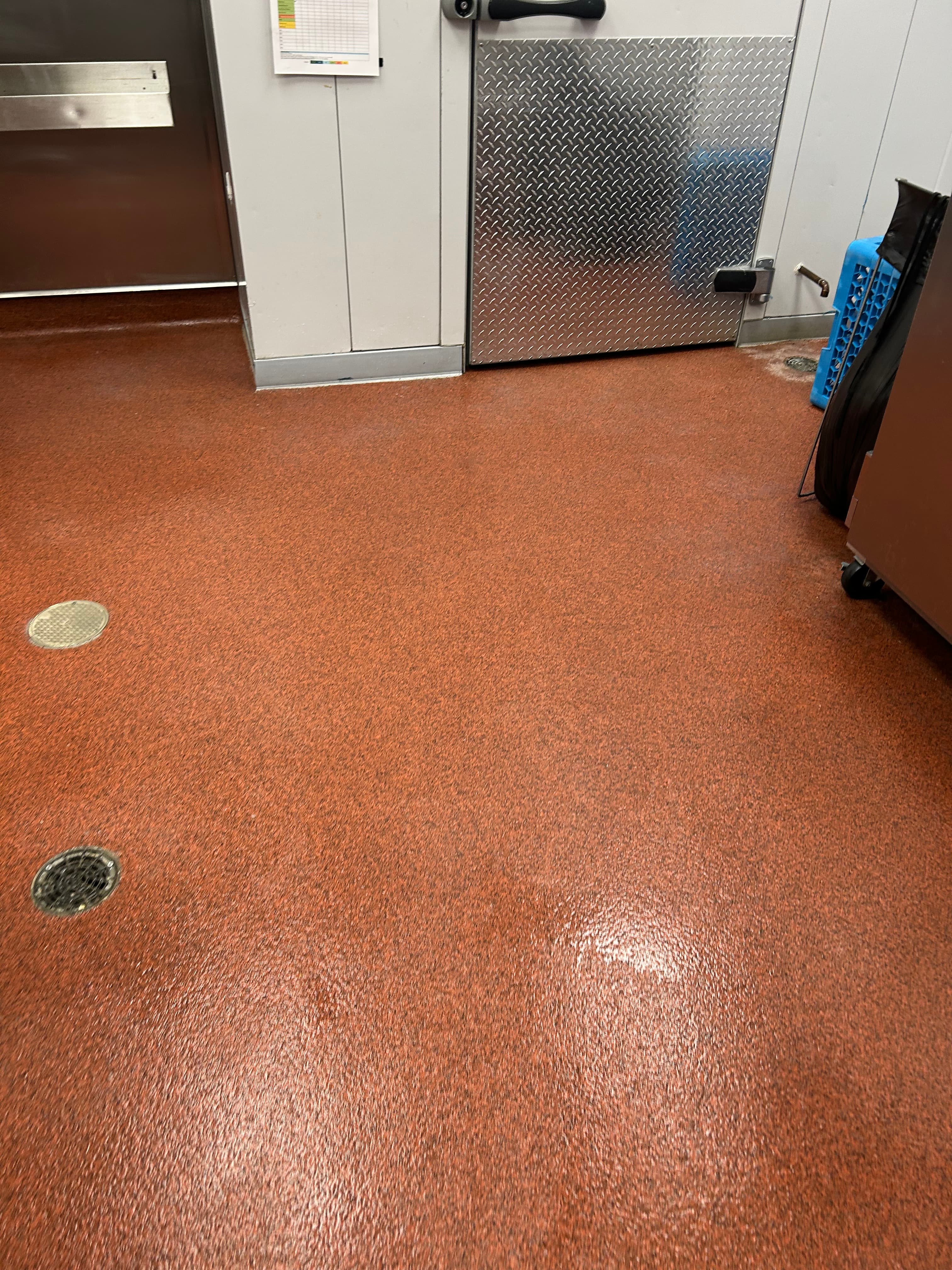
Running a restaurant in Austin means maintaining the highest cleanliness standards. With unannounced health inspections and increasingly health-conscious customers, a comprehensive cleaning checklist is essential for success.
Key Statistics
of customers won't return after seeing cleanliness issues
average cost of health violations in Travis County
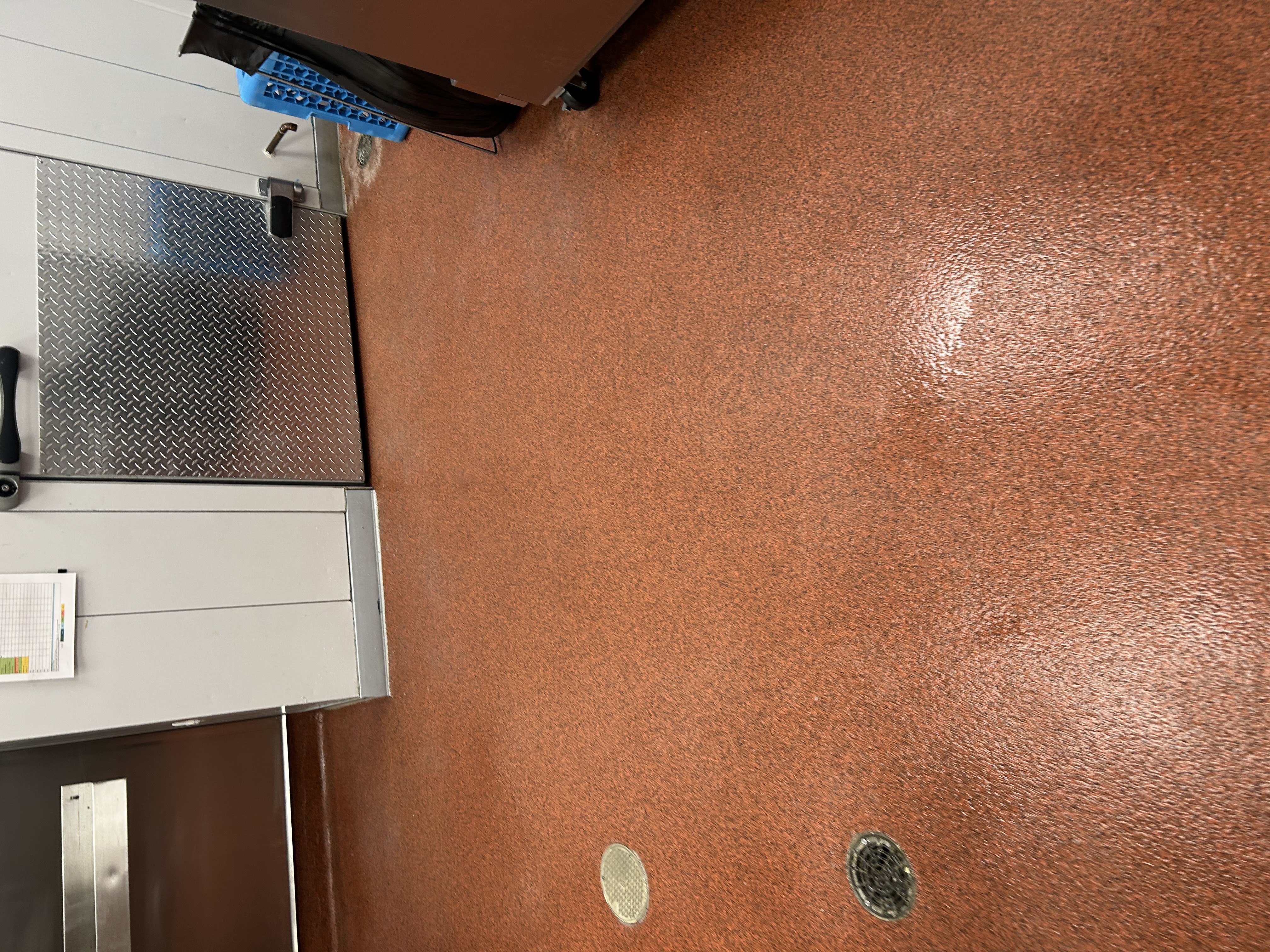
Professional restaurant kitchen cleaning ensures health code compliance
Daily Kitchen Cleaning Tasks
Morning Prep (Before Service)
- ✓ Sanitize all cutting boards with 200 ppm chlorine solution
- ✓ Clean prep tables with food-safe sanitizer
- ✓ Check refrigerator temps (must be ≤41°F)
- ✓ Inspect hand-washing stations for soap and towels
During Service
- ✓ Wipe spills immediately to prevent cross-contamination
- ✓ Sanitize utensils after each task change
- ✓ Monitor hot holding temps (≥135°F required)
- ✓ Change sanitizer buckets every 2 hours
Closing Tasks
- ✓ Deep clean all equipment including grills and fryers
- ✓ Empty and sanitize grease traps
- ✓ Mop floors with degreasing solution
- ✓ Document temperatures in log book
Weekly Deep Cleaning Schedule
Monday - Storage Areas
- • Deep clean walk-in coolers
- • Organize dry storage (FIFO)
- • Check expiration dates
- • Clean and sanitize shelving
Wednesday - Equipment
- • Descale coffee machines
- • Deep clean fryers
- • Clean hood vent filters
- • Detail small appliances
Friday - Dining Areas
- • Deep clean furniture
- • Sanitize high chairs
- • Clean air vents
- • Detail windows and glass
Austin Health Code Requirements
| Area | Requirement | Frequency | Documentation |
|---|---|---|---|
| Hand Washing | 100°F-108°F water, bilingual signage | Continuous | Daily log |
| Food Temps | Hot ≥135°F, Cold ≤41°F | Every 4 hours | Temp log |
| Sanitization | 200 ppm chlorine or approved | Every 2 hours | Test strips |
| Pest Control | Professional service required | Monthly | 12-month records |
Common Violations to Avoid
1. Improper Hand Washing (31% of violations)
Most common violation in Austin restaurants
Solution: Install timer systems and bilingual signage at all wash stations
2. Temperature Abuse (27% of violations)
Food stored at incorrect temperatures
Solution: Digital monitoring system with automatic alerts
3. Cross-Contamination (19% of violations)
Improper food handling and storage
Solution: Color-coded cutting boards and utensils
Recommended Eco-Friendly Products
All-Purpose Cleaning
- • Seventh Generation Professional - Safe for food contact
- • ECOS Pro - Green Seal certified
- • Simple Green Pro HD - Powerful degreaser
Disinfection
- • Benefect Botanical - No rinse required
- • CleanWell - Child and pet safe
- • Peroxyacetic acid sanitizers - EPA approved
Why Partner with Facility Care Services?
100% Health Inspection Pass Rate
Every client passes their inspections
Eco-Friendly Products Only
Safe for staff and customers
24/7 Emergency Service
Same-day response for urgent needs
Local Austin Experts
We know Travis County regulations
Austin/Travis County Health Code Requirements
Austin restaurants are inspected by the Travis County Health Department using a demerit-based scoring system. Inspectors evaluate specific cleanliness categories, and accumulated demerits can result in fines, mandatory re-inspections, or temporary closure.
Key Scoring Categories
- 4 ptsFood temperature violations — Cold holding above 41°F or hot holding below 135°F
- 4 ptsEmployee hygiene — Improper handwashing, missing soap/towels at stations
- 3 ptsSurface sanitation — Food contact surfaces not properly cleaned and sanitized
- 3 ptsEquipment condition — Dirty equipment, grease buildup on hoods and vents
- 2 ptsFloor and wall condition — Dirty floors, damaged walls, poor drainage
- 2 ptsRestroom maintenance — Missing supplies, unsanitary conditions
- 2 ptsWaste management — Overflowing trash, improper disposal, pest attraction
A professional cleaning program that addresses each of these categories on every visit keeps your demerit count low and your inspection scores high. Learn more about our inspection-ready cleaning approach.
Common Health Code Violations in Austin Restaurants
Based on Travis County inspection data, these are the cleaning-related violations Austin restaurants are cited for most frequently:
Grease Buildup
Accumulated grease on hoods, vents, walls behind cooking equipment, and exhaust systems. Requires regular degreasing schedules and documentation of cleaning dates.
Restroom Supply Gaps
Missing soap, empty towel dispensers, or non-functioning hand dryers. Inspectors check restrooms early in the evaluation. First impressions matter.
Floor Condition
Cracked tiles, standing water, grease-slick surfaces, and damaged grout in kitchen areas. Non-slip treatment and regular deep cleaning prevent these citations.
Food Contact Surfaces
Prep tables, cutting boards, and equipment surfaces not properly sanitized. Requires approved sanitizer concentration and documented cleaning frequency.
Our restaurant cleaning service targets every one of these common violations as part of your regular cleaning program—not just before inspections.
Ready to Ensure Perfect Health Scores?
Don't wait for a failed inspection. Partner with Austin's cleaning experts today.
Related Articles

The Complete Summer Deep Cleaning Checklist for Austin Schools
Summer break is the best time to restore your school facility. This room-by-room deep cleaning checklist covers everything from floor stripping to HVAC sanitization so your campus is ready for day one.

How Proper Classroom Sanitization Reduces Student Absences: An Evidence-Based Guide for Austin Schools
Learn how targeted classroom disinfection protocols reduce illness-related absences by up to 50%. Covers high-touch surfaces, EPA-approved products safe for children, and daily sanitization routines.
Commercial Carpet Cleaning: Methods, Costs & Maintenance Schedule for Austin Businesses
Your commercial carpet is one of your biggest flooring investments. Learn the best cleaning methods, realistic costs, and a maintenance schedule that extends carpet life by years.