School Restroom Cleaning Standards: Why This Is the Room That Defines Your Facility
Ask any school administrator what generates the most parent complaints, and the answer is almost always the same: restrooms. Not the cafeteria. Not the playground. The restrooms. It's the one space where parents form an instant, visceral judgment about whether their child's school is well-managed — and whether the people running it care about details.
That judgment isn't unfair. School restrooms are objectively the highest-risk space in any educational facility. They're used by dozens or hundreds of children every day, many of whom are still developing basic hygiene habits. They're warm, wet, and enclosed — ideal conditions for bacterial and viral growth. And they're often the last space to get proper attention from overworked custodial staff.
This guide covers the cleaning standards, daily routines, and inspection protocols that separate a school restroom parents trust from one that erodes confidence in your entire institution.
School Restroom Reality Check
parent complaint category for school facilities nationwide
daily uses per restroom in an average 500-student school
maximum time a properly cleaned school restroom stays visually clean during school hours
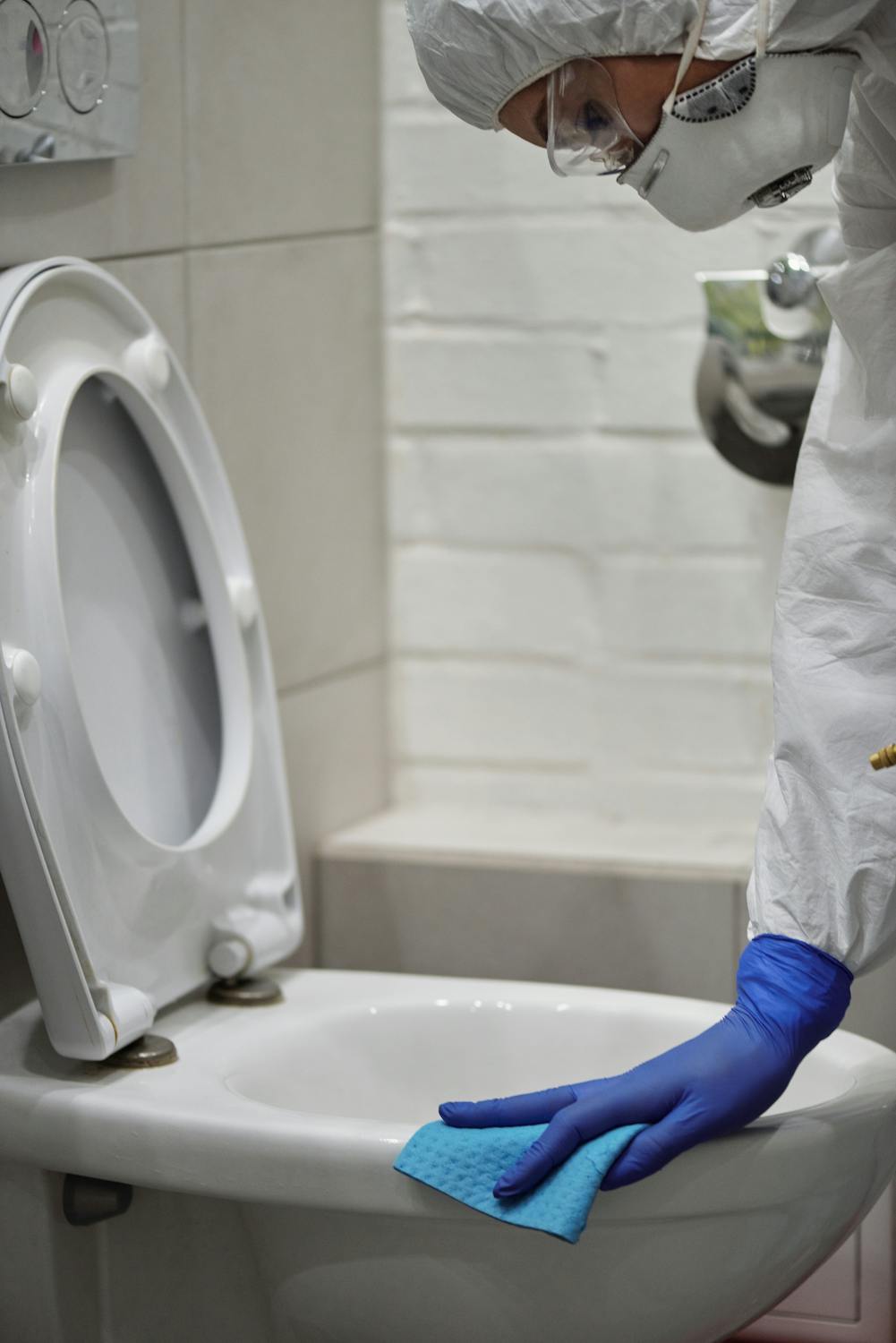
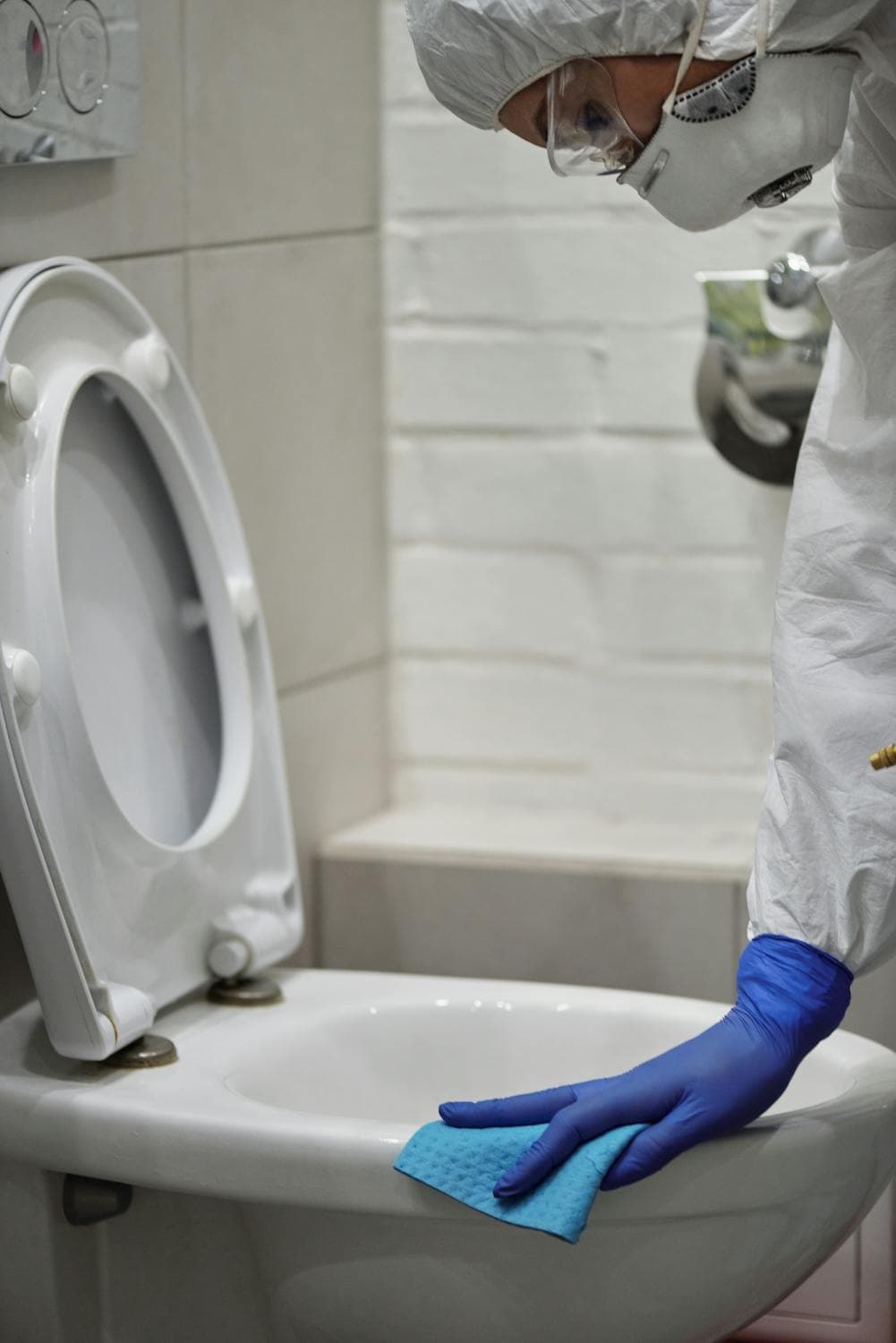
Professional restroom cleaning requires proper technique, the right products, and consistent frequency
Why School Restrooms Fail: The Root Causes
Before discussing standards, it's worth understanding why school restrooms consistently underperform. The failures aren't usually about laziness or incompetence — they're systemic.
Volume Exceeds Capacity
A standard school restroom with 4 stalls and 3 sinks was designed for a certain throughput. When enrollment grows or restrooms are closed for maintenance, the remaining facilities absorb all the traffic. A restroom serving 150 students per day looks very different from one serving 50.
Cleaning Frequency Doesn't Match Usage
Most schools clean restrooms once daily — at night, after students leave. But a restroom that was cleaned at 8 PM has been used 300+ times by the time it's cleaned again the next evening. Without midday touchups, conditions deteriorate throughout the school day.
Supply Outages Create Crisis
When soap dispensers are empty, paper towels run out, or toilet paper isn't restocked, children either skip handwashing entirely or use alternatives that clog drains. Supply management is as critical as cleaning itself.
Deferred Maintenance Compounds Daily Cleaning
Cracked grout, failing caulk, chipped fixtures, and non-functioning hand dryers make restrooms harder to clean and faster to deteriorate. When maintenance backlogs grow, even thorough daily cleaning can't overcome the physical condition of the space.
The Three-Tier Restroom Cleaning Standard
Effective school restroom management requires three distinct cleaning tiers, each with different objectives and frequencies:
Tier 1: Midday Touchups (During School Hours)
Frequency: 2-3 times during the school day | Time: 5-8 minutes per restroom
- ✓ Restock toilet paper, paper towels, and soap dispensers
- ✓ Wipe and disinfect sink counters and faucet handles
- ✓ Spot mop visible spills or wet areas near sinks
- ✓ Empty trash receptacles if more than half full
- ✓ Check and flush any unflushed toilets or urinals
- ✓ Report maintenance issues (clogs, leaks, broken fixtures)
Purpose: Maintain usable, hygienic conditions throughout the school day. This is what parents and students experience.
Tier 2: Nightly Full Clean (After Hours)
Frequency: Every school night | Time: 20-30 minutes per restroom
- ✓ Clean and disinfect all toilet bowls, seats, and exterior surfaces
- ✓ Clean and disinfect all urinals and urinal screens
- ✓ Scrub sinks, faucets, and countertops — remove soap scum and mineral deposits
- ✓ Wipe and disinfect all partition walls, door handles, and grab bars
- ✓ Clean mirrors to streak-free condition
- ✓ Wet mop entire floor with disinfectant solution — including behind toilets and under partitions
- ✓ Empty and sanitize all trash receptacles — replace liners
- ✓ Restock all dispensers to full capacity
- ✓ Clean and disinfect diaper changing stations (in age-appropriate facilities)
Purpose: Reset the restroom to baseline condition every night so students arrive to a clean facility each morning.
Tier 3: Deep Restoration (Monthly/Quarterly)
Frequency: Monthly scrub, quarterly deep restoration | Time: 2-4 hours per restroom
- ✓ Machine scrub all floor tile and grout lines
- ✓ Descale all fixtures — remove hard water buildup from faucets, showerheads, and drains
- ✓ Clean exhaust fan covers and check ventilation airflow
- ✓ Apply grout sealer to protect against moisture penetration
- ✓ Inspect caulking around fixtures and replace where deteriorated
- ✓ Clean wall tile from floor to ceiling
- ✓ Treat drains with enzymatic cleaner to prevent biofilm and odor
Purpose: Prevent the slow deterioration that makes restrooms look and smell old even when they're cleaned nightly.
The Restroom Inspection Checklist
Cleaning without verification is just a schedule, not a standard. Every school restroom should be inspected against these criteria regularly:
| Area | Standard | Pass Criteria |
|---|---|---|
| Floors | Clean, dry, no debris | No visible dirt, hair, or standing water; grout lines show original color |
| Toilets/Urinals | Sanitized inside and out | No stains, no odor, seat hinges clean, flush mechanism works |
| Sinks | Clean basin, working fixtures | No soap scum, no mineral deposits, hot water functional |
| Mirrors | Streak-free, no splashes | Clear reflection, no water spots, frame wiped |
| Dispensers | Fully stocked | Soap, paper towels, toilet paper all above 50% capacity |
| Partitions | Clean, no graffiti | Surfaces wiped, locks functional, no markings or stickers |
| Odor | Neutral or fresh | No urine, mildew, or sewer odor detectable at entry |
| Trash | Under 50% capacity | No overflow, liner intact, no food waste visible |
Odor Control: The Invisible Standard
A restroom can look clean and still fail the most important test: how it smells. Persistent odor in school restrooms almost always has a specific, fixable cause.
Urine Accumulation in Grout and Caulk
The most common source of persistent restroom odor. Porous grout absorbs urine over time, creating a reservoir that daily mopping cannot reach. Solution: enzymatic cleaners that break down uric acid crystals, followed by grout sealing.
Dry P-Traps
Floor drains and infrequently used fixtures can lose their water seal, allowing sewer gas to enter the restroom. This is common in schools after summer break or extended closures. Solution: pour water into all floor drains weekly.
Failing Wax Rings
The wax seal between a toilet and the floor drain can deteriorate, creating a sewer gas leak that no amount of cleaning will fix. Solution: maintenance inspection and replacement — this is not a cleaning issue, it's a plumbing issue.
Inadequate Ventilation
Exhaust fans that aren't pulling enough air allow humidity and odor to linger. In Austin's climate, this also promotes mold growth. Solution: verify fan function and cfm rating; upgrade if necessary.
What Does Not Work
Air fresheners, fragrance plugins, and deodorizer blocks do not solve odor problems — they mask them. If a restroom requires fragrance to smell acceptable, the root cause has not been addressed. Professional cleaning identifies and eliminates the source.
Age-Appropriate Restroom Considerations
Preschool and Daycare (Ages 2-5)
- ✓ Child-height fixtures require floor-level cleaning emphasis
- ✓ Training toilets and potty chairs need individual sanitization
- ✓ Diaper changing stations require disinfection after every use
- ✓ Floor cleaning frequency increases — children sit and crawl on restroom floors
- ✓ Only fragrance-free, low-toxicity products permitted
Elementary (Ages 5-11)
- ✓ Higher mess frequency — paper towels on floors, soap on walls
- ✓ Increased midday touchup frequency for high-traffic restrooms
- ✓ Step stools near sinks need regular cleaning
- ✓ Handwashing signage should be checked and maintained
- ✓ Monitor for vandalism patterns and address promptly
Middle and High School (Ages 11-18)
- ✓ Higher vandalism risk — graffiti removal must be same-day
- ✓ Vaping residue on walls and fixtures requires targeted cleaning
- ✓ Menstrual product disposal needs dedicated attention
- ✓ Locker room integration increases scope
- ✓ Evening event usage requires post-event restroom reset
Staff Restrooms
- ✓ Often lower traffic but higher expectation for condition
- ✓ Staff morale is directly affected by restroom quality
- ✓ Include in nightly cleaning rotation — do not skip
- ✓ Stock with appropriate supplies including air freshener
Your Restrooms Should Never Be the Problem
We'll audit your school restrooms, identify the root causes of any recurring issues, and build a three-tier cleaning program that keeps them consistently parent-approved — morning, noon, and night.
Related Resources
How to keep your campus healthy without managing another vendor.
Classroom Sanitization GuideEvidence-based sanitization protocols that reduce student absences.
Summer Deep Cleaning ChecklistThe complete room-by-room guide for summer break restoration.
Schools & Daycares CleaningOur dedicated cleaning programs for educational facilities.
Related Articles
The Complete Summer Deep Cleaning Checklist for Austin Schools
Summer break is the best time to restore your school facility. This room-by-room deep cleaning checklist covers everything from floor stripping to HVAC sanitization so your campus is ready for day one.
How Proper Classroom Sanitization Reduces Student Absences: An Evidence-Based Guide for Austin Schools
Learn how targeted classroom disinfection protocols reduce illness-related absences by up to 50%. Covers high-touch surfaces, EPA-approved products safe for children, and daily sanitization routines.
Commercial Carpet Cleaning: Methods, Costs & Maintenance Schedule for Austin Businesses
Your commercial carpet is one of your biggest flooring investments. Learn the best cleaning methods, realistic costs, and a maintenance schedule that extends carpet life by years.