How to Build a Floor Care Program That Extends Asset Life
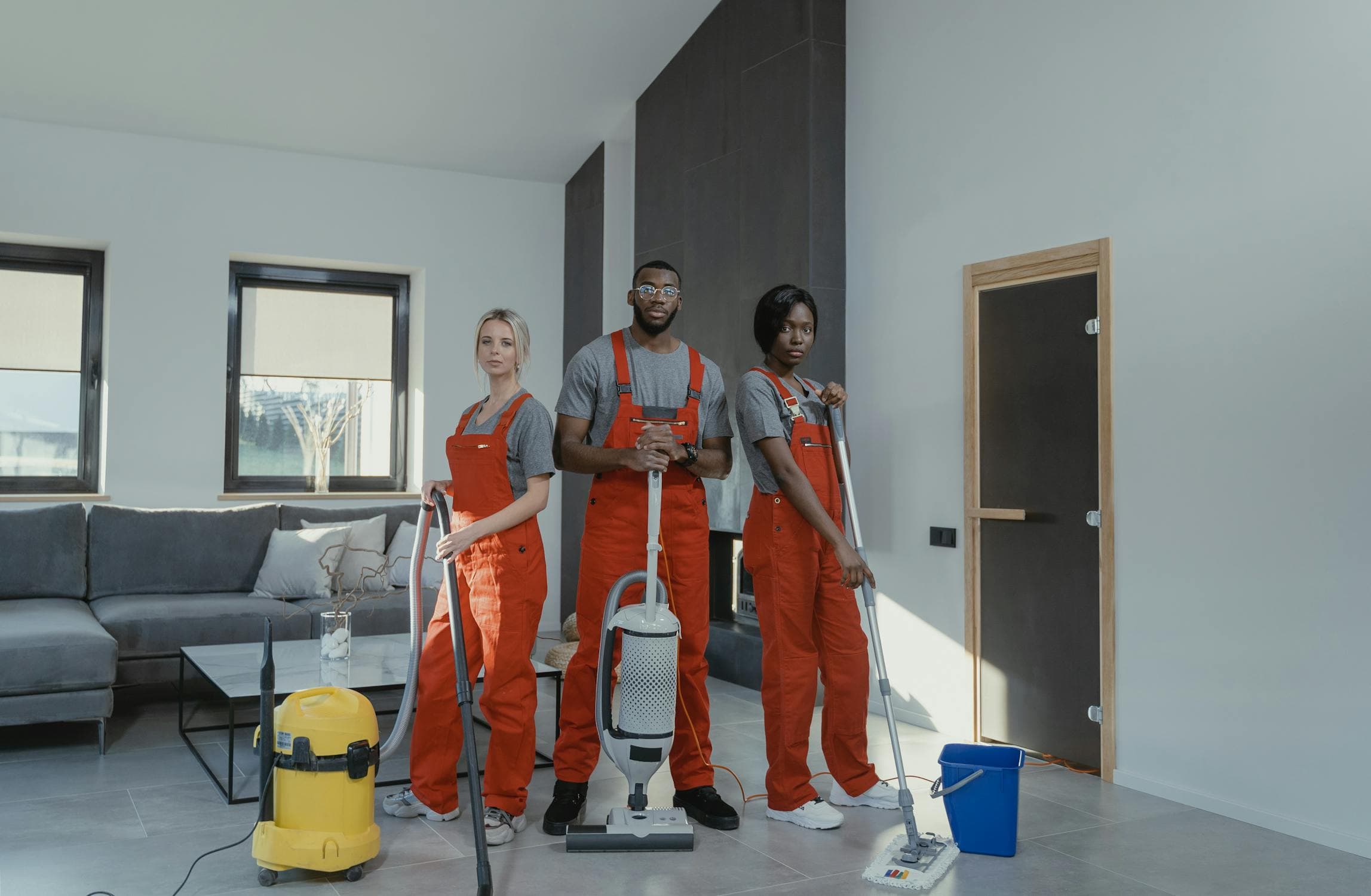
Commercial flooring is expensive. VCT, hardwood, polished concrete, carpet—whatever your facility has, it represents a significant capital investment. Yet most facility managers treat floor care as reactive maintenance rather than asset protection. Here's how to build a program that actually extends floor life.
The Cost of Getting This Wrong
Let's talk numbers. For a 10,000 sq ft facility:
| Floor Type | Replacement Cost | Expected Life (Proper Care) | Expected Life (Poor Care) |
|---|---|---|---|
| VCT | $25,000-$40,000 | 25-30 years | 10-15 years |
| Carpet | $30,000-$60,000 | 10-15 years | 5-7 years |
| Hardwood | $80,000-$150,000 | 50+ years | 15-20 years |
| Polished Concrete | $30,000-$50,000 | 20+ years | 8-12 years |
Poor floor care doesn't just mean more frequent replacement. It means:
- Higher interim maintenance costs trying to recover damaged floors
- Professional appearance degradation
- Safety hazards (worn areas become slip risks)
- Lower resale/lease value for the property
The Three Tiers of Floor Care
Tier 1: Daily Maintenance
Goal: Remove abrasive soil before it damages the floor surface.
Hard Floors
- Dust mopping (dry) to capture loose soil
- Spot mopping for spills
- Entry mat maintenance
Carpet
- Vacuuming high-traffic areas
- Spot treatment for spills
- Entry mat vacuuming
Key insight: 80% of floor soil comes from outside. Effective entry mat programs reduce cleaning needs significantly.
Tier 2: Interim Maintenance
Goal: Restore appearance and protection without full restoration.
Hard Floors (Monthly-Quarterly)
- Spray buffing or burnishing
- Scrub and recoat
- Grout cleaning for tile
Carpet (Quarterly)
- Encapsulation cleaning
- Bonnet cleaning for high-traffic areas
- Spot treatment for accumulated stains
Key insight: This tier is where most facilities under-invest. Proper interim care significantly extends time between expensive restorations.
Tier 3: Restorative Maintenance
Goal: Full restoration to like-new condition.
Hard Floors (Annually+)
- Strip and refinish (VCT)
- Screening and recoating (hardwood)
- Deep cleaning and sealing (concrete, tile)
Carpet (Annually)
- Hot water extraction (steam cleaning)
- Rotary extraction for heavy soil
- Re-application of protectant
Key insight: If you're doing restorative work more than once a year, your Tier 1 and Tier 2 programs aren't working.
Building Your Floor Care Program
Step 1: Assess Your Current State
Before building a program, understand where you are:
- What floor types do you have and in what square footage?
- What's the current condition? (Document with photos)
- What's your traffic pattern? (Identify high-wear areas)
- What's been done historically? (Get records if available)
Step 2: Define Frequencies
Based on traffic and floor type, establish maintenance schedules:
| Traffic Level | Daily | Interim | Restorative |
|---|---|---|---|
| High (retail, lobbies) | Daily dust mop + spot | Monthly | Quarterly |
| Medium (offices) | 3x weekly | Quarterly | Annually |
| Low (storage, back areas) | Weekly | Semi-annually | As needed |
Step 3: Specify Products and Methods
Wrong products damage floors. Document approved products for:
- Daily cleaning solutions (pH appropriate for your floor type)
- Finishes and sealers (manufacturer-recommended)
- Strippers (if applicable)
- Equipment settings (pad types, machine speeds)
Step 4: Track and Adjust
A floor care program isn't set-and-forget. Monitor:
- Appearance scores (walk the floors monthly, document condition)
- Service completion (are scheduled services actually happening?)
- Product usage (consistent with expected for the square footage?)
- Cost per square foot (are you staying within budget?)
Common Floor Care Mistakes
Using the wrong products
Acidic cleaners on marble. Oil-based products on VCT. High-pH cleaners on hardwood. Each floor type has specific requirements.
Over-wetting carpet
Carpet that stays wet too long grows mold and delaminate from the backing. Professional extraction equipment matters.
Skipping entry mats
A proper entry mat system (scraper mat outside, absorbent mat inside, at least 10' of coverage) can reduce interior soil by 80%.
Waiting too long for restoration
Once finish wears through to the floor itself, damage becomes permanent. Restoration should happen while protective finish still exists.
Our Floor Care Services
Facility Care Services provides all three tiers of floor care for Austin commercial facilities:
Daily Care
- • Dust mopping
- • Damp mopping
- • Vacuuming
- • Spot treatment
Interim Care
- • Spray buffing
- • Scrub and recoat
- • Encapsulation cleaning
- • Grout cleaning
Restoration
- • Strip and refinish
- • Hot water extraction
- • Deep cleaning
- • Sealing and protection
Protect Your Floor Investment
Let's assess your floors and build a program that extends their life.
Related Articles
The Complete Summer Deep Cleaning Checklist for Austin Schools
Summer break is the best time to restore your school facility. This room-by-room deep cleaning checklist covers everything from floor stripping to HVAC sanitization so your campus is ready for day one.
School Restroom Cleaning Standards: Why This Is the Room That Defines Your Facility
School restrooms are the most judged space in any educational facility. Learn the cleaning standards, frequencies, and inspection protocols that keep restrooms consistently parent-approved.
Commercial Carpet Cleaning: Methods, Costs & Maintenance Schedule for Austin Businesses
Your commercial carpet is one of your biggest flooring investments. Learn the best cleaning methods, realistic costs, and a maintenance schedule that extends carpet life by years.